How to Wash Wool in the Washing Machine: A Practical Guide


April 15, 2026


Wool is one of the most rewarding fabrics to own. It is naturally temperature-regulating, resilient, and beautifully soft, but it also has a well-earned reputation for being tricky to wash. One wrong cycle, one too-hot rinse, and a favourite sweater can come out half the size it went in. The good news is that washing wool safely in a modern washing machine is entirely possible when you follow the right steps. This guide covers everything you need to know, from caring for wool between washes and treating stains, to choosing the right detergent and settings, drying correctly, and using Sta-soft® fabric softener to keep wool garments soft, fresh, and in excellent condition for years to come.


A bundle of clean laundry


1. How to Care for Wool Garments Between Washes

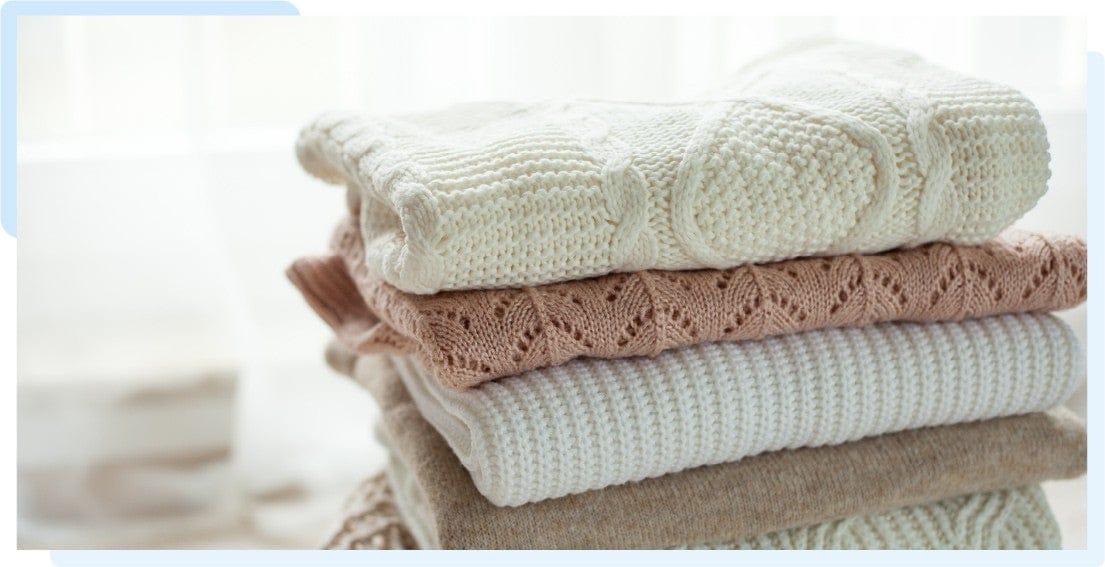
Good wool care starts well before laundry day. The way you store and handle wool between washes has a direct effect on how often you need to wash it, and how long it keeps its shape and softness.

Avoid rolling wool garments into a ball or stuffing them into a packed laundry basket. This compresses and distorts the fibres, causing the garment to lose its shape before it has even been washed. Contact with damp or stained clothes in the same basket can also leave marks on wool that are difficult to remove. Instead, fold your wool sweaters carefully and keep them separate until washing day.

One of the best ways to reduce how often you need to wash wool is to air it out between wears. After wearing a wool sweater, hang it on a padded hanger or lay it flat in a well-ventilated spot for a few hours before folding away. Wool's natural fibre structure allows it to release odours and moisture surprisingly effectively when aired properly, which means many wool garments only need washing every three to five wears.

Check the surface of your wool garments regularly for pilling, the small lint balls that form when fibres rub together. Remove these gently with a dedicated manual or electric fabric shaver before they worsen, as pilling can make even a good quality wool garment look worn and old.

For long-term storage, keep wool in a cool, dry, well-ventilated space. Wool is susceptible to moth damage, so store seasonal pieces with cedar blocks or lavender sachets to repel moths naturally. If you love the scent of lavender, try washing your wool garments with Sta-soft® Lavender Fresh before storing them away. Its Fragrance Burst Technology means the soothing lavender scent is released gradually, so your woolens come out of storage smelling beautifully fresh.

2. Stain Treating Wool Garments

Stain removal on wool requires considerably more care than on cotton or synthetic fabrics. Wool fibres are delicate and can be permanently damaged by harsh scrubbing, strong chemicals, or incorrect products, so it is always worth taking a gentle approach first.

For most fresh stains, start by blotting up as much of the substance as possible with a clean, dry cloth. Do not rub, as this pushes the stain deeper into the fibre. Then prepare a mild treatment solution using lukewarm water and a small amount of gentle liquid soap, a mild pH-neutral bar soap dissolved in water, or a dedicated wool-safe stain remover. Apply the solution to the stained area and use your fingertips to work it gently into the fabric in small circular motions.

Place the garment in a basin of lukewarm water and leave it to soak for 30 to 40 minutes, then rinse thoroughly with cool, clear water. For most everyday stains, this is sufficient.

For more ingrained or greasy stains, white vinegar is a gentle and effective natural alternative. Dilute it 1:1 with water, apply to the stain, and leave for 10 to 15 minutes before rinsing. For oil-based stains, a small amount of rubbing alcohol applied with a clean cloth and blotted (not rubbed) can help lift the grease. Natural clay powder, available at health stores, can also be applied dry to an oily stain, left for an hour to absorb the grease, then brushed off gently before proceeding with a gentle wash.

Avoid the following on wool at all times: bleach, ammonia-based cleaners, biological or enzyme detergents (more on this in the next section), and any product labelled for use on cottons or heavily soiled items. These will damage wool fibres, often permanently.

Always treat stains on wool as soon as possible. A fresh stain is significantly easier to remove than one that has dried and set into the fibre, and it reduces the need for any harsh treatment..


3. The Right Laundry Detergent and Fabric Softener for Wool

Before loading the machine, turn all wool garments inside out. This reduces friction between the outer surface of the fabric and other items in the drum, which helps preserve the texture and reduces pilling. If you have a mesh laundry bag, use it, as it provides an additional layer of protection against abrasion.

Load the drum so that it is only half full. Overloading causes wool items to rub excessively against each other and the drum walls, which leads to pilling and distortion of the garment's shape.

Choosing the right detergent matters more for wool than for almost any other fabric. Standard laundry detergents are formulated for cotton and synthetic fabrics, and most contain two ingredients that are harmful to wool: alkaline pH compounds and enzymes. Alkaline detergents cause the outer scales of the wool fibre to swell and interlock, which is what causes irreversible shrinkage and felting. Enzyme-based formulations actively break down the protein structure of wool, which is why biological detergents can damage wool so significantly even at low temperatures.

For wool, always choose a detergent specifically labelled for wool and cashmere, or one designed for delicates. These are pH-neutral and enzyme-free. Use only a small amount, roughly half of what you would use for a cotton load. Excess detergent is difficult to rinse fully from wool fibres, leaves residue, and can weaken the fabric over time.

For fabric softener, Sta-soft® Ultra Concentrate is well suited to wool care. Added to the final rinse compartment, it coats each fibre with a softening layer that reduces the friction and static that can cause pilling, helps wool garments retain their softness wash after wash, and leaves a long-lasting fresh fragrance. The ultra concentrate formula means only a small amount is needed per load.

If you are washing wool items for someone with sensitive skin, including babies and young children, Sta-soft® Baby is a hypoallergenic formula that provides gentle softening and light freshness without fragrance compounds that may irritate sensitive skin. For a guide to choosing the right softener for different fabrics and skin types, read our article on fragranced vs fragrance-free fabric softeners.


4. Selecting Washing Machine Settings for Wool

The right settings are just as important as the right products. Before starting the machine, it is worth running a quick drum clean if you have been washing heavily soiled or dark items recently. Lint and residue from previous washes can transfer onto light wool garments, and this is easily prevented by wiping down the drum with a damp cloth before loading.

Select the dedicated "Wool" programme on your machine. If your machine does not have one, use the "Hand Wash" or "Delicate" setting. These programmes are designed to use minimal mechanical agitation, which is what protects wool from felting and shrinkage. Avoid pre-wash cycles, heavy-duty programmes, or any setting that adds extra agitation or extends the wash time beyond an hour.

Always wash wool at 20 to 30°C. This is non-negotiable. Even a single wash at 40°C can cause significant and irreversible shrinkage in most wool garments. The warm temperature helps clean effectively without causing the fibre-level changes that lead to felting.

Set the spin speed to a maximum of 500 revolutions per minute (rpm). Higher spin speeds subject wool to excessive centrifugal force, which can distort the shape of the garment and stress the fibres. A gentle, slow spin is sufficient to remove most of the water without causing damage. The garment will still be noticeably damp when you remove it, which is normal and expected for wool.

Limit the wash cycle to between 30 and 60 minutes in total. Prolonged washing increases mechanical agitation and the risk of fibre damage, even on a gentle programme.


5. Drying and Ironing Tips for Wool Clothing

Remove wool garments from the machine as soon as the cycle ends. Leaving wet wool sitting in the drum, even for a short time, allows musty odours to develop in the fibre and can cause the garment to misshape under its own damp weight.

Never put wool in the tumble dryer. The combination of heat and mechanical tumbling is the single most reliable way to ruin a wool garment. Even a "low heat" dryer setting is too harsh for most wool.

The correct method is to dry wool flat. Begin by laying the garment on a clean, dry towel and rolling the towel up around it, pressing gently to absorb as much moisture as possible. Unroll the towel, then lay the garment flat on a fresh dry towel or a dedicated flat-drying rack.

Take a moment to reshape the garment while it is still damp. Gently pull the sleeves to their correct length, smooth the shoulders into shape, and adjust the body so the hem lies flat and even. Wool is malleable when wet and will hold whatever shape it dries in, so reshaping at this stage prevents pulling and distortion. Flip the garment over halfway through drying to allow both sides to dry evenly and speed up the process.

Dry wool away from direct sunlight, which can cause yellowing and weaken fibres over time, and away from direct heat sources like radiators or fan heaters. A well-ventilated room or a shaded spot outdoors is ideal. For a complete guide to drying different fabrics correctly, visit our guide on how to properly dry your laundry in any season.

Wool knits rarely need ironing, and in most cases they should not be ironed directly. If you need to remove stubborn creases, use a garment steamer held a short distance from the surface of the fabric, or place a clean, damp cloth over the garment and iron over the cloth on the lowest possible setting. Never place a hot iron directly onto wool.


Bonus: How to Wash Wool Rugs

Wool rugs are best cleaned professionally or spot-treated at home rather than machine-washed. They are heavy, and the volume of water they absorb during a machine wash puts significant strain on the machine's motor and drum. For most wool rugs, regular vacuuming and prompt spot treatment of spills is sufficient for ongoing maintenance.

If you do need to machine-wash a smaller wool rug and the care label permits it, use a very gentle programme at 20 to 30°C, a low spin speed, and a wool-safe detergent. Remove promptly and dry the rug flat in a cool, dry, well-ventilated area. Do not hang a wet wool rug, as the weight of the water will stretch and distort it permanently.


FAQs About Washing Wool

Q1: Can I wash all wool garments in the washing machine?

Not all wool is machine washable. Check the care label before washing. Garments labelled "hand wash only" or "dry clean only" should not be put in the machine, as the agitation and spin cycle can damage them even on a gentle programme. Machine-washable wool, sometimes sold as "Superwash" wool, has been treated to withstand gentle machine cycles safely.

Q2: How often should I wash wool sweaters?

Wool is naturally resistant to odour and moisture, which means it can be worn multiple times before washing is necessary. Most wool sweaters benefit from being aired out after each wear rather than washed immediately. Washing too frequently breaks down the fibre structure over time. Spot clean small marks promptly and wash the full garment every three to five wears, or when it genuinely needs refreshing.

Q3: Can Sta-soft® fabric softeners be used with wool?

Yes. Sta-soft® Ultra Concentrate fabric softeners are suitable for use with wool when added to the final rinse compartment of your machine. They help protect delicate fibres, reduce static and pilling, restore softness after washing, and leave a long-lasting fragrance. For sensitive skin, Sta-soft® Baby offers a gentle, fragrance-light alternative.

Q4: How do I prevent wool from shrinking in the wash? 

Use cool or lukewarm water (20 to 30°C maximum), select the wool or delicate cycle, keep spin speed below 500 rpm, use a pH-neutral enzyme-free detergent, and never put wool in the tumble dryer. Following all of these steps consistently will prevent shrinkage in machine-washable wool garments.

With the right detergent, the correct machine settings, and Sta-soft® fabric softener in the rinse cycle, your wool garments will stay soft, fragrant, and beautifully shaped for years to come. Gentle care is the key to getting the most from wool, and once the routine is established, it takes very little extra effort.

Explore the full Sta-soft® range for the perfect fabric softener for your wool and delicate garments, and visit our Laundry Tips Hub for more expert fabric care advice.

Consumer advice, not a substitute for manufacturer or product label instructions.


More articles

divider image
divider image
divider image

The essentials

divider image

@StaSoftSouthAfrica

Follow us