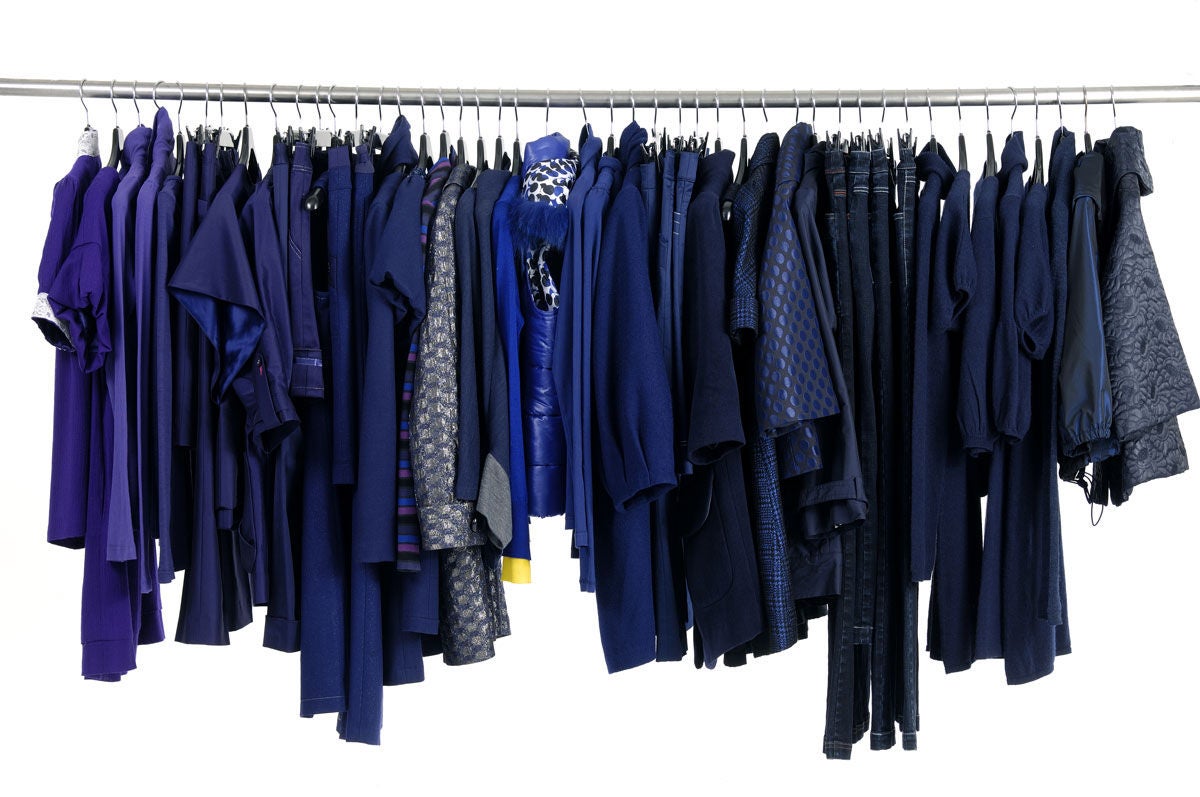
Dark clothing shows deodorant and sweat stains more prominently than lighter fabrics, and those chalky white marks on a black shirt or navy blouse can feel impossible to shift. Fortunately, keeping your dark garments stain-free is simpler than you might expect. With a few targeted tips, the right household ingredients, and the help of Sta-soft® fabric softener in your wash, you can remove stubborn underarm marks, preserve the richness of dark fabrics, and keep your favourite pieces looking their best for longer.
Why Does Deodorant Stain Clothes?
Understanding why deodorant stains form makes it much easier to prevent and treat them. There are two distinct types of staining, and they have different causes.
The white, chalky residue most commonly seen on dark garments is caused by the aluminium compounds in antiperspirants. When these compounds come into contact with the fabric, they leave a powdery deposit that shows up starkly against dark colours. This type of staining is often surface-level when fresh, which is why treating it quickly is so effective.
The yellow, more stubborn discolouration that develops over time, particularly in the underarm area, is caused by a reaction between the aluminium salts in antiperspirants and the proteins in sweat. This residue builds up gradually with repeated use and washing, becoming harder to remove the longer it is left untreated. Heat from a tumble dryer or a hot wash can set this type of stain permanently into the fabric, which is why treatment before drying is so important.
Both types of staining are worsened by applying too much deodorant or antiperspirant, and by getting dressed before the product has fully dried on the skin.
Preventing and Removing Deodorant Stains
Tip 1: Treat Stains as Soon as Possible
The most important rule with deodorant stains is speed. Fresh residue, especially the white chalky type, has not yet bonded fully with the fabric fibres and is much easier to remove than a stain that has been through a hot dryer or left to dry on the garment.
As soon as you notice a stain, treat it before the garment goes into the wash, and certainly before it goes near a tumble dryer. Heat from drying sets stains permanently, so always pre-treat first and wash, then check the stain is fully removed before drying.
For a very fresh, dry deodorant mark, try gently rubbing the fabric against itself or using the edge of a clean cloth to lift the surface residue before applying any liquid treatment. This reduces the amount of product you need to remove with the wash.
Tip 2: Use Vinegar and Water
White vinegar is one of the most effective household treatments for deodorant stains, particularly the white aluminium-based residue. Its mild acidity breaks down the mineral deposits without damaging most fabrics.
Mix equal parts white vinegar and water in a small bowl or spray bottle. Apply the solution directly to the stained area, making sure the fabric is fully saturated. Use a soft toothbrush or clean cloth to scrub gently in small circular motions, working from the outside edge of the stain inward to avoid spreading it. Leave the solution to sit on the fabric for five to ten minutes, then rinse with cold water.
Wash the garment as normal at the appropriate temperature for that fabric. Adding Sta-soft® Aromatherapy Passion to the final rinse helps neutralise any remaining odour while leaving a rich, long-lasting fragrance that keeps your dark garments smelling fresh well after washing.
For older or more stubborn yellow stains, increase the concentration of vinegar to water (2:1) and extend the soaking time to 30 minutes before scrubbing. You may need to repeat the treatment once or twice for heavily set staining.
Tip 3: Use a Baking Soda Paste
Baking soda is particularly effective for the yellow, protein-based staining that builds up over time in underarm areas. Its mild abrasive properties help lift embedded residue from fibres, and its alkaline nature neutralises the acidic compounds in sweat that cause yellowing.
Mix two parts baking soda with one part water to form a thick paste. Apply it generously to the stained area and press it gently into the fabric so it makes full contact with the stain. Leave the paste to sit for 30 to 60 minutes, or up to several hours for older, more stubborn staining.
Once the paste has dried, brush off the excess gently, then wash the garment at the appropriate temperature. For dark fabrics, check the care label and use the coolest effective temperature to preserve the depth of colour. Repeat the treatment if any staining remains after the first wash.
For very stubborn set-in stains, combine both methods: apply the baking soda paste first, leave for 30 minutes, then rinse off and apply the vinegar solution as a second treatment before washing.
Tip 4: Clean Delicate Fabrics with Extra Care
Delicate fabrics like silk, wool, and fine linen need a gentler approach than denim or cotton. Harsh scrubbing or leaving acidic solutions on delicate fibres for too long can cause damage, so it is always worth taking extra care.
For wool or fine knits, create a small amount of paste using a gentle, pH-neutral bar soap and water. Apply it sparingly to the stain, work it in gently with your fingertips (not a brush), and leave for five minutes before rinsing with cool water. Never use hot water on wool, as it causes shrinkage.
For silk, apply a small amount of diluted white vinegar or a specialist silk stain remover with a soft cloth and blot gently rather than rubbing. Allow to sit for just a few minutes before rinsing.
For any garment labelled "dry clean only," do not attempt a liquid treatment at home. Instead, dab the stained area lightly with a clean cloth moistened with rubbing alcohol (methylated spirits), blot dry without rubbing, and take the garment to a professional cleaner as soon as possible.
Always test any stain removal method on a hidden seam or an inside hem before applying it to a visible area of the garment. This is especially important for dark fabrics, which can sometimes react unexpectedly to acidic treatments. For more guidance on washing different fabrics correctly, read our guide on how to properly wash your laundry every day.
Final Tips for Long-Lasting Dark Clothes
Preventing deodorant stains from forming in the first place is always easier than removing them. These habits will help keep your dark garments in excellent condition:
Apply less product. Using more deodorant or antiperspirant than you need is one of the most common causes of residue build-up on fabric. A thin, even application is all that is required for effectiveness.
Allow deodorant to dry before dressing. Getting dressed immediately after applying antiperspirant transfers the product directly onto the inner surface of your garment. Wait one to two minutes for the product to dry on your skin first.
Maintain good underarm hygiene. Residue from deodorant accumulates on the skin as well as the fabric. Washing the underarm area thoroughly during bathing helps reduce the amount of product that transfers onto clothing.
Wash dark garments inside out. Turning dark clothing inside out before washing reduces direct friction on the outer surface of the fabric, helping preserve colour depth and preventing the dulling that can make old stains more visible.
Always add fabric softener to dark washes. Adding Sta-soft® fabric softener to every wash helps protect fibres from the friction and heat of the wash cycle, keeps dark fabrics feeling soft and smooth, reduces static, and leaves a long-lasting freshness. Not sure which formula suits your needs best? Our guide on choosing the right fabric softener walks you through the full range.
A Note for Delicate Textiles
Before applying any stain removal method to a visible area of a garment, always test it first on a hidden spot, such as an inside seam, the hem, or an inner facing. This is especially important for delicate fabrics, garments with special finishes, and anything with a deep or saturated dark colour that could be affected by acidity or abrasion. If there is any doubt about a treatment's suitability for the fabric, it is always better to turn to a professional dry cleaner than to risk permanent damage at home.
Consumer tip: Always follow the instructions on both the stain removal product and the garment care label. Sta-soft® fabric softener is a fabric care product, not a stain remover, and should be used as part of your regular wash routine.
With these straightforward tips and treatments, your dark clothing will stay vibrant, clean, and free from embarrassing underarm staining, wash after wash.
Want Your Dark Clothes to Look, Feel, and Smell Like New?
Explore the Sta-soft® product range and find the perfect fabric softener to protect fibres, reduce static, and keep your laundry smelling beautifully fresh. From the rich, luxurious scent of Sta-soft® Aromatherapy Passion to the 4x concentrated freshness of Sta-soft® Ultra Concentrate, there is a formula for every household and every fabric type.
For more expert laundry advice, stain removal guides, and fabric care tips, visit our Laundry Tips Hub.
Consumer advice, not a substitute for manufacturer or product label instructions.