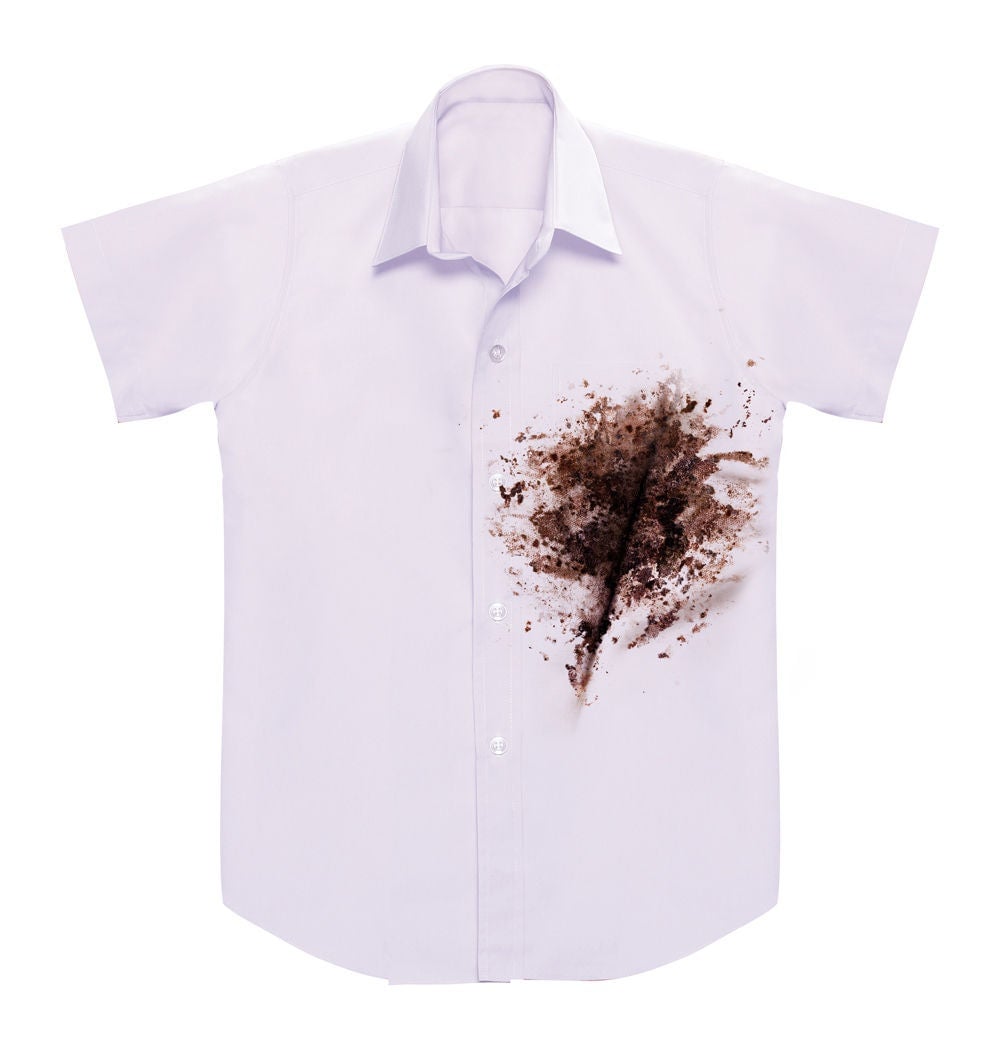
White clothes are a wardrobe staple, but they have one major vulnerability: every stain shows. Whether it is a yellow sweat mark on a favourite shirt collar, a coffee splash on a crisp white tablecloth, or a dull grey creeping into bedding that used to be bright, white fabrics require a little more attention than their darker counterparts. The good news is that most stains on white clothes can be treated effectively at home, often with simple household ingredients. Pair the right treatment with Sta-soft® fabric softener in your final rinse, and your whites will come out not only clean and bright, but soft, protected, and fresh-smelling every time.
Why Separate Whites and Colours?
Before any stain treatment begins, the single most important habit for keeping white clothes bright is sorting your laundry correctly before every wash. Washing whites with coloured garments, even on a single occasion, can transfer dye onto white fabric in a way that is very difficult or impossible to reverse. The grey tinge that develops in white clothes over time is almost always caused by repeated washing alongside dark or coloured items.
Sort your laundry into at least four groups: whites and true-whites, lights and pastels, darks and blacks, and specialty items. Pastels should be washed separately from bold colours, as even lighter dyes can bleed onto pure white fabric. Always check new garments for bleed risk before washing them with anything else: an unfamiliar dark-red T-shirt or a new pair of navy jeans should be washed alone the first few times. Read the care label for guidance, and if in doubt, wash new items separately.
For a full guide to sorting and washing correctly, read our article on how to properly wash your laundry daily.
How to Restore and Whiten White Clothes
Step 1: Soak in a Stain-Removing Solution
For general dullness, yellowing, or lightly stained whites, a good pre-wash soak is the most effective first step. Fill a large tub or your bathtub with warm water and add an effective stain-busting laundry detergent, following the dosing instructions on the pack. Submerge your white garments fully and leave them to soak for at least one hour. The warm water and detergent penetrate the fabric fibres and loosen built-up grime, detergent residue, and body oils that accumulate with regular wear.
After soaking, drain the water, wring the garments gently, and transfer them to the washing machine for a full wash. If the fabric care label permits, use a hot water cycle for white cotton or linen, as heat is one of the most effective tools for removing bacteria and deep-set residue from white fabrics.
A note on bleach: while chlorine bleach can be effective at whitening cotton, it should be used with great caution and only as a last resort. Overuse or incorrect application is one of the main causes of whites turning yellow over time, because the bleach reacts with the protein-based residues in fabric (from sweat and body oils) to create a yellow compound that is harder to remove than the original staining. If you do use bleach, dilute it well (a maximum of half a cup to a full machine load) and never pour it directly onto fabric. Understanding the science behind fabric softeners and how fabric care products interact with fibres can help you make better choices about what to use and when.
Step 2: Target Specific Stains
Different stain types require different treatments, and using the wrong approach on a stain can set it more deeply into the fabric. Here is how to treat the most common stains on white clothes:
Yellow sweat stains on collars, cuffs, and underarms:
These are caused by a reaction between the aluminium in antiperspirants and the proteins in sweat, and they tend to worsen with heat and time. Make a paste of baking soda and water (two parts baking soda, one part water) and apply it directly to the affected area. Work the paste into the fabric gently with a soft toothbrush and leave it to sit for 30 to 60 minutes. Rinse with cool water, then wash as usual. For older, more set-in yellow stains, soak the affected area in undiluted white vinegar for 30 minutes before applying the baking soda paste.
Wine and coffee stains:
Act immediately. Rinse the stained area with cold water as soon as possible, as cold water prevents the stain from bonding to the fibre. Do not use hot water at this stage, as it will set the stain. Once the initial liquid has been rinsed out, apply a small amount of mild detergent or a dedicated stain remover, leave for 10 to 15 minutes, then rinse again and wash at the appropriate temperature.
Collar and cuff stains:
The built-up grime on shirt collars and cuffs is a combination of skin oils, dead skin cells, and product residue. Apply a stain remover or a small amount of mild liquid detergent directly to the area and work it in gently with your fingers or a soft brush. Leave for 15 to 30 minutes before washing. For persistent collar staining, a paste of baking soda and dish soap applied for an hour before washing is very effective.
Grease and cooking oil stains:
Sprinkle cornstarch or talcum powder over the stain immediately to absorb as much oil as possible before applying any liquid treatment. Leave for 15 minutes, then brush off and apply dish soap directly to the stain. Dish soap is a grease-cutter by design and works very effectively on fabric as well as dishes. Rinse with warm water, then wash.
Step 3: Natural Whitening with Vinegar and Baking Soda
For general whitening and brightening of whites that have lost their freshness, a vinegar and baking soda soak is one of the most effective natural treatments available. Neither ingredient is harsh enough to damage most white fabrics, and the combination is particularly good at dissolving the mineral deposits and detergent build-up that cause fabrics to appear grey or dull over time.
Fill a large tub or basin with approximately three litres of warm water. Add one cup of white vinegar and stir to combine, then add half a cup of baking soda. The mixture will fizz briefly as the vinegar and baking soda react, which is normal and expected. Submerge your white garments completely and leave them to soak for at least 45 minutes, stirring occasionally to ensure the solution reaches all areas of the fabric. For particularly dull whites or persistent staining, the soak can be extended to several hours or even overnight.
After soaking, rinse thoroughly and transfer to the washing machine for a regular wash at the appropriate temperature. During the final rinse cycle, add a cap of Sta-soft® Spring Fresh fabric softener to the softener compartment. This leaves your whites with a long-lasting clean freshness, softens fibres that may have been slightly dried out by the vinegar treatment, and reduces the static that can cause clean white fabrics to cling together.
Step 4: Natural Sun Bleaching
Once your whites have been washed, the drying stage offers one final opportunity to brighten them naturally. Hang white garments outdoors in direct sunlight to dry. UV rays have a natural bleaching effect on white fabrics, and sun drying is one of the oldest and most effective methods for brightening whites without any chemicals at all.
For best results, hang whites in the morning when the sun is most active and bring them in before late afternoon. Spread garments out fully on the line so the sun reaches as much of the fabric surface as possible, and flip items over halfway through drying to ensure even exposure.
Avoid putting stained white garments in the tumble dryer before the stain has been fully removed. Heat from the dryer sets stains permanently into fabric, making them significantly harder or impossible to remove afterwards. When in doubt, air dry first and check the stain is gone before using heat. For more on the best drying methods for different fabrics and seasons, visit our guide on how to best dry clothes.
After sun drying, pairing your routine with Sta-soft® Lavender Fresh in the wash leaves white fabrics with a gentle, soothing fragrance that complements the clean, freshly aired result of outdoor drying beautifully.
What If Stains Persist?
Some stains, particularly older ones that have been through a hot wash or a dryer before being fully treated, may resist the above methods. In these cases, a dedicated fabric stain remover is the next step. Apply it according to the product instructions, leave for the recommended time, and wash as normal.
When using stain removers on white garments, check that the product is suitable for the specific fabric type. Most stain removers are safe for cotton whites, but delicate fabrics such as linen, silk-cotton blends, and items with decorative trims or logos should be patch-tested on a hidden area first. Use stain removers only on fully white garments, as any runoff onto coloured trims or stitching can cause fading.
After stain removal, use Sta-soft® fabric conditioner as a protective finishing step in your wash. Stain treatments, particularly those using baking soda, vinegar, or stain removers, can leave fibres slightly rough or dried out. Sta-soft® restores the smooth, soft feel of the fabric, reduces friction between fibres that leads to pilling, and leaves a lasting freshness that keeps whites feeling clean between washes. Read more about how Sta-soft® enhances your laundry experience and why it makes a practical difference to every wash.
White garments that develop persistent yellowing or darkening despite regular treatment may also benefit from checking your washing machine for mold or detergent build-up, which can transfer residue onto white fabrics over time. For advice on treating fabric that has been affected by mold or musty odours, read our guide on how to remove mold from clothes for good.
FAQs
What is the best way to whiten clothes without bleach?
Soaking white clothes in a mixture of white vinegar and baking soda, as described in Step 3 above, is one of the most effective natural whitening methods. The combination dissolves mineral deposits and detergent build-up that cause greying and dullness, and brightens the fabric without the fibre damage or yellowing risk that comes with overuse of chlorine bleach. For added softness and lasting freshness after whitening, add Sta-soft® to the final rinse of your wash. It softens fibres naturally and leaves a clean, fresh scent without harsh chemicals.
How do you remove yellow stains from white shirts?
Apply a paste of baking soda and water directly to the yellow area, work it in gently, and leave for 30 to 60 minutes before rinsing and washing. For more stubborn yellowing, pre-soak the affected area in undiluted white vinegar for 30 minutes first, then apply the baking soda paste before washing. This two-step approach is particularly effective for sweat stains on collars and underarms, which are caused by a build-up of antiperspirant residue and body oils that can be difficult to shift with regular washing alone.
Can I use Sta-soft® on white clothes?
Yes. Sta-soft® is suitable for use with white garments and actively benefits them. It keeps white fabrics soft and reduces the fibre friction that causes pilling and wear over time. It also helps white clothes retain their freshness between washes, meaning fewer wash cycles overall, which protects the fabric from the cumulative wear of repeated washing. For white garments for babies or anyone with sensitive skin, Sta-soft® Baby is a hypoallergenic option that is gentle on delicate fabrics.
Why do my white clothes turn grey?
Greying is almost always caused by one of two things: washing whites regularly alongside dark or coloured garments, which allows tiny amounts of dye to transfer onto white fabric with each wash, or detergent build-up in the fabric, which accumulates when too much detergent is used or loads are too full for the detergent to rinse out completely. Sort your laundry carefully so whites always wash separately, use the correct detergent dose for your load size, and add an extra rinse cycle if your machine has one. Using Sta-soft® helps maintain the brightness and softness of your whites by protecting fibres from wear and keeping the fabric feeling fresh and well-conditioned between washes.
Discover the Sta-soft® Range for Bright, Soft Whites
Keeping white clothes clean and bright does not require harsh chemicals or expensive treatments. With the right sorting habits, targeted stain treatments, natural whitening methods, and Sta-soft® fabric softener in every wash, your whites can stay in excellent condition wash after wash.
Check out the Sta-soft® Ultra Concentrate range for 4x concentrated freshness and fibre protection in a smaller, more sustainable dose, perfect for keeping whites soft, bright, and beautifully fragrant with every load.
For more fabric care tips and laundry advice, visit our Laundry Tips Hub.
Remember to always follow garment care labels. Consumer tip: Always follow product instructions.